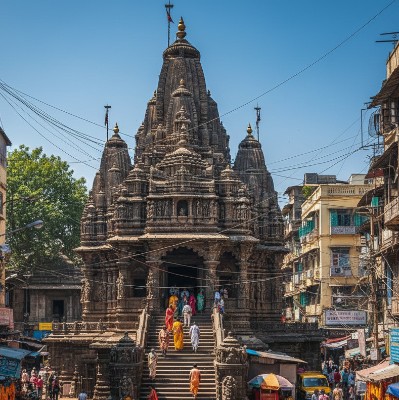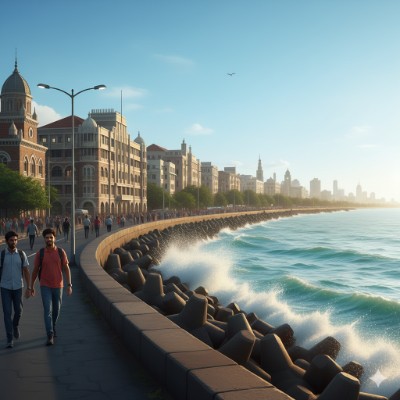
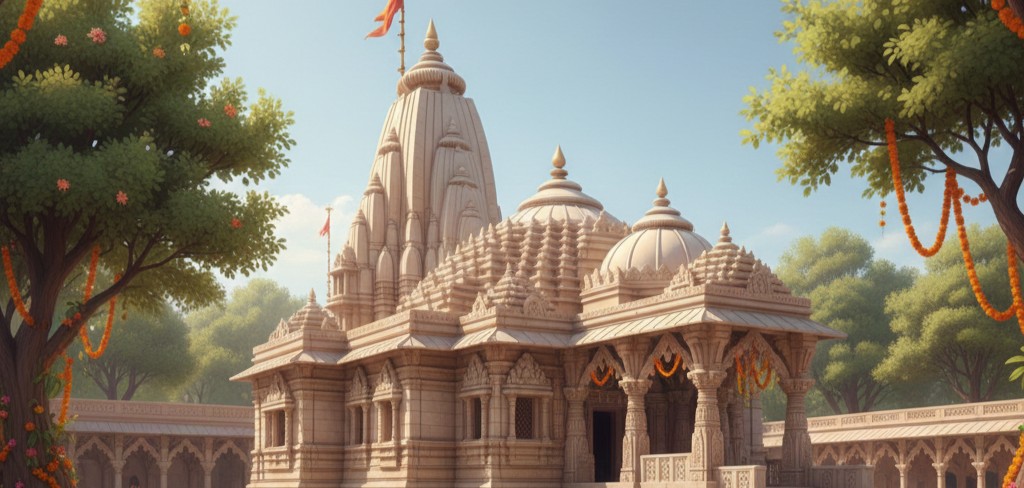
Mumba Devi Temple, Mumbai is one of the city’s oldest active shrines and a living symbol of Mumbai’s cultural identity. The temple is dedicated to the goddess Mumbā (Mumba Aai) — a fisherwoman incarnation of the Mother Goddess — and the city’s popular etymology of Mumbai derives from her name.
The shrine remains an important spiritual centre for local residents and traders, particularly the jewellery community in nearby Zaveri Bazaar.
- The earliest shrine associated with Mumba Devi traces back to the 14th–15th century, originally linked to the Koli fisher community that inhabited the Seven Islands of Bombay.
- After the older structure near Bori Bunder was destroyed, a new temple was erected in the Bhuleshwar / Zaveri Bazaar area and the present precinct is recorded as rebuilt in 1737.
Architecture & precinct
- Compact, urban temple plan suited to narrow bazaar lanes rather than grand gopurams.
- Stone sanctum (garbhagriha) with an ornate inner chamber, silver-plated/ornamental doors and pillars; a black stone idol of Mumba Devi is the focus of veneration.
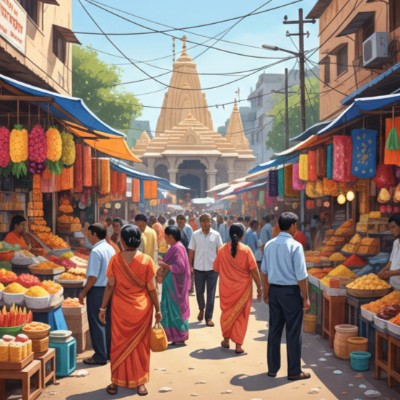
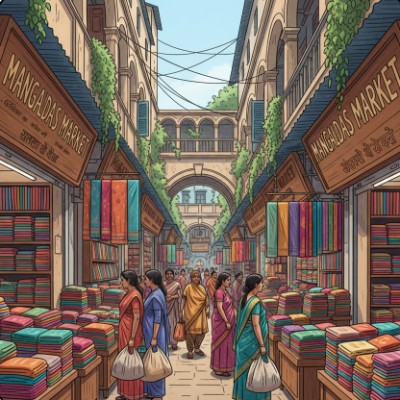
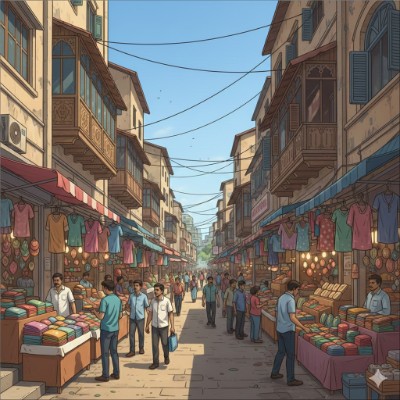
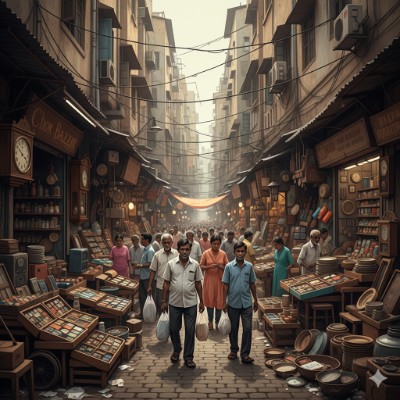
- Surrounding lanes are lined with floral and puja stalls, incense sellers, and traditional craft kiosks — creating an authentic old-Mumbai sensory experience.
Visitor highlights & practical notes
- Daily schedule includes morning Mangala aarti and multiple aarti sessions through the day; typical opening around 06:30 AM and evening aartis between 6:30–8:00 PM (check on-site for festival changes).
- Peak crowds: Tuesdays and the nine days of Navratri. Expect long queues during festivals; management improves flow but lanes remain congested.
- Accessibility: narrow approaches mean vehicles cannot come to the gate directly; nearest railway stations are Charni Road, Marine Lines and CSMT. Carry minimal baggage; watch for pickpockets in crowded markets.
Why visit
- For devotees: direct religious significance and traditional aarti rituals.
- For culture travellers: a compact window into Mumbai’s origins, market life, and the living link between deity and city name.
- For photographers: exterior bazaar scenes and the temple façade offer atmospheric frames — but observe sanctity rules and avoid intrusive shots during puja.